Trust Takes Root: Equine-Facilitated Training for Authentic Connection
The very first time you view a thousand-pound pet volunteer to follow an individual without a rope, it can feel like magic. In truth, it is communication at its simplest. Steeds review intent, energy, and micro-movements with ruthless accuracy. They do not care about our resumes or our descriptions. They appreciate exactly how we show up in our bodies, whether our signals are clean, and whether we are safe to be near. That is specifically why equine-facilitated coaching aids depend on take root, in families, teams, and within the self.
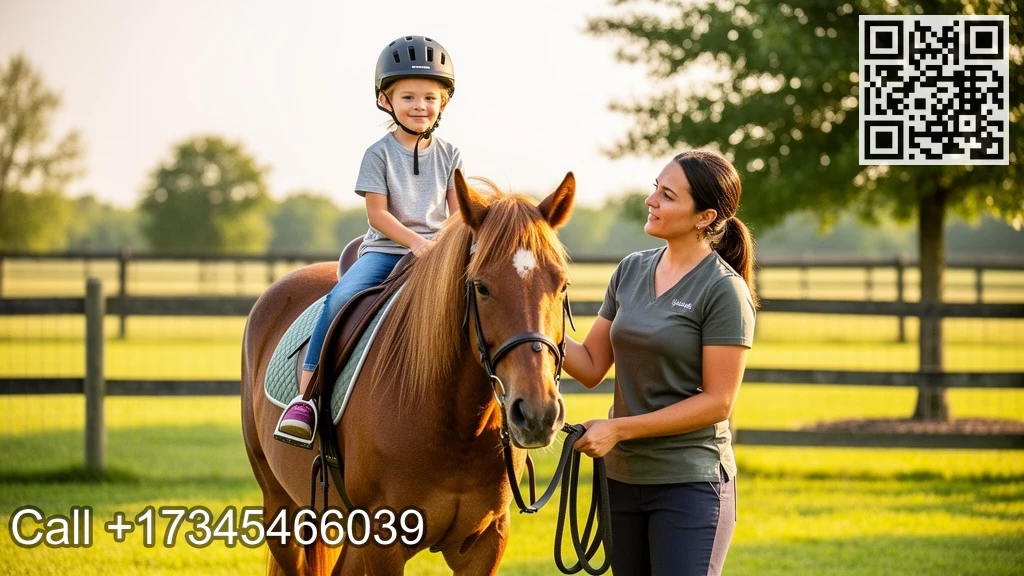
I have actually worked around equines long enough to recognize they have a method of evasion top priorities. They ask us to be clear without being harsh, soft without being vague. The arena ends up being a mirror with unguis, and the representations are occasionally humbling. The good news is, it is additionally deeply practical. We can exercise new ways of relating and see the outcome promptly. No metaphors required, though they usually increase on their own.
Why steeds change the conversation
Horses are victim pets with a carefully tuned feeling of safety. In a field, survival depends on accurate reads of who is leading, who is shed, and what the atmosphere needs. That natural level of sensitivity translates right into straightforward comments around people. If we are irregular or scattered, a steed will certainly wander away or turn his interest to something else. If we steady our breath, set a clear objective, and take one clean action, most horses will certainly tip an ear, then a head, and think about connecting.
I as soon as dealt with a task manager called Eli who had a habit of saying sorry as he gave instructions. He would certainly issue a demand, after that soften it with an anxious joke. In the arena, that pattern came out as a stutter step towards a gelding named Jasper, followed by a pulling away glimpse. Jasper blinked and walked to the rail. We attempted an experiment: Eli set a border with his feet planted, shoulders unwinded, and one slow-moving exhale. He took a solitary advance, after that stopped to let Jasper assume. The gelding tipped off the rail and was available in close to him. Eli's teammates were peaceful for a long period of time after that. When the body levels, you do not require a great deal of words.
Horses offer repercussions without blame. They allow you recognize when your yes is sloppy or your no is also loud. That is the heart of equine-facilitated training and why it is various from talk-only job. It is also the structure of equine-facilitated health and healing horsemanship programs that focus on discovering objectives and ability structure around equines instead of scientific medical diagnosis or treatment.
What a session really looks like
People imagine that equine-assisted coaching means galloping throughout areas. The majority of the genuine job takes place on the ground. A common session runs 60 to 90 mins. We start with a brief check in, then enter a round pen or tiny field about 60 feet throughout. The horse is normally at liberty, suggesting no halter or lead line. The job might be simple: invite link, lead with clarity, or create a tiny challenge course and walk through it together.
There is a rhythm to these sessions. Establish an intent. Check it. Watch what the horse tells you. Readjust. Test once more. Coaches translate what they see right into concentrated concerns. What took place in your body when the steed turned away. What changed when you looked at his shoulder instead of his face. What story did you make up concerning that adjustment. It is practical in the moment. The learning after that bridges back to life outside the arena, where borders and quality matter just as much.
We operate in pairs or tiny teams when it serves the objective. In group building with horses, a group might co-create a pattern with cones and poles, after that move a horse via it utilizing just nonverbal signs. The dynamic is evident. If 2 individuals pull in different directions, the horse picks neither. Participation becomes less about words and even more regarding congruence.
Coaching, wellness, and professional therapy, and why the lines matter
The language about equine job can be confusing. Below is the simplest means to hold it. Equine-assisted tasks cover general engagements such as grooming, foundation, and mounted experiences for entertainment or discovering. Therapeutic horsemanship programs show riding and horsemanship skills adjusted to different capabilities. Equine-assisted services is a broad phrase that can include coaching, wellness, education, and therapy. When accredited mental wellness professionals deliver therapy that deals with a scientific diagnosis, that is therapy. When licensed instructors focus on leadership, communication, or individual advancement, that is coaching.
Why the difference issues is values and safety. A coach can collaborate with anxiety, objectives, leadership patterns, and relational abilities. A therapist addresses injury, medical stress and anxiety, or anxiety within a therapy plan. Numerous barns team up, so a customer could see a therapist for injury treatment on Tuesdays and step into equine-facilitated mentoring on Fridays to practice boundary setting at the office. Great programs call their lane and keep to it. If you ever feel a company is outside their scope, ask how they manage referrals.
The somatic item, or what your nerves learns from a horse
If you watch a kicked back steed in a pasture, you will certainly observe a rhythm. Grazing, scanning, little ruptureds of movement, then rest. Their baseline heart rate sits around 28 to 44 beats per min, slower than ours. Lots of people, specifically those dealing with consistent pressure, have no concept what relaxed-but-alert seems like any longer. Equines model that state and invite us right into it.
Somatic healing with horses is not magical. It is sensory. When you match a steed's breathing for a couple of minutes, your own system typically shifts down. When you soften your stare and broaden your peripheral vision to match the equine's method of seeing, it comes to be simpler to observe very early signs of stress. When you place a hand on the withers of a calm mare and allow your shoulder blades decrease, you discover how much you were holding. The arena allows to practice law in genuine time.
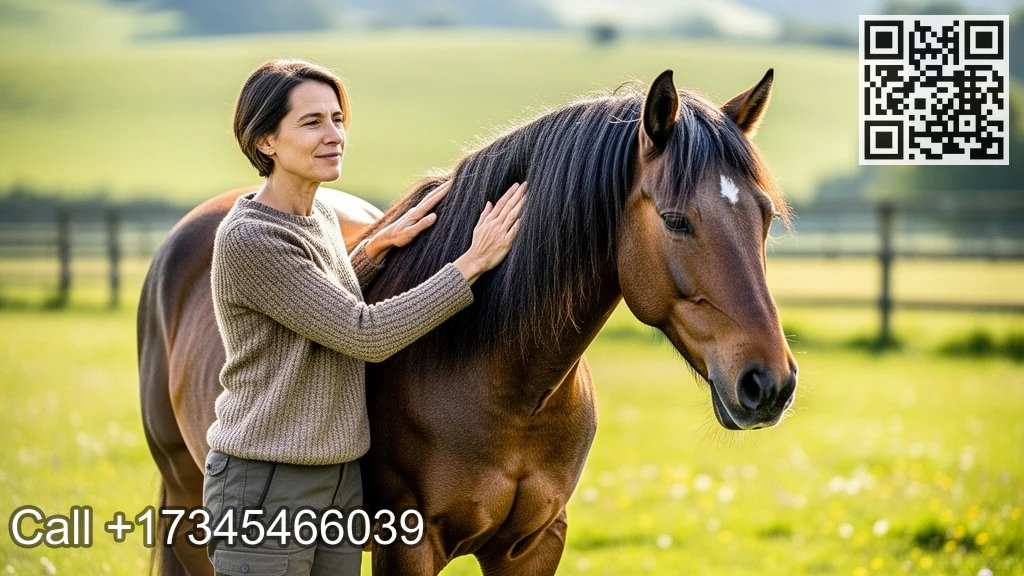
A client named Naya pertained to me for anxiousness assistance with equines. Public talking triggered a waterfall of shallow breathing, prickling hands, and racing ideas. We practiced what she called the 3 anchors. Initially, orienting by naming 5 blue or environment-friendly items around the field to broaden awareness. Second, synchronizing breath with a gelding's slow flank movements for three cycles. Third, taking two intentional actions, then stopping briefly. In her next group conference, she swapped the equine for a canteen on the seminar table and made it her anchor. Very same body, very same steps, different context. Her hands quit buzzing.
Support for focus, sensory, and social learning
I do not deal with scientific conditions in training, however I do collaborate with family members and medical professionals to sustain interest, sensory combination, and social knowing objectives through experiential understanding with horses. The trick is function and pace.
For ADHD equine learning support, motion and uniqueness help. We set up short, clearly defined jobs that require sequencing. As an example, halter the horse, result in cone three, time out for three breaths, back three steps, after that go back to the start. The steed's prompt feedback keeps interest high, and successes stack promptly when signs are clean. Sessions here run a little shorter, often 45 to 60 minutes, with intended transitions to maintain the system from flooding.
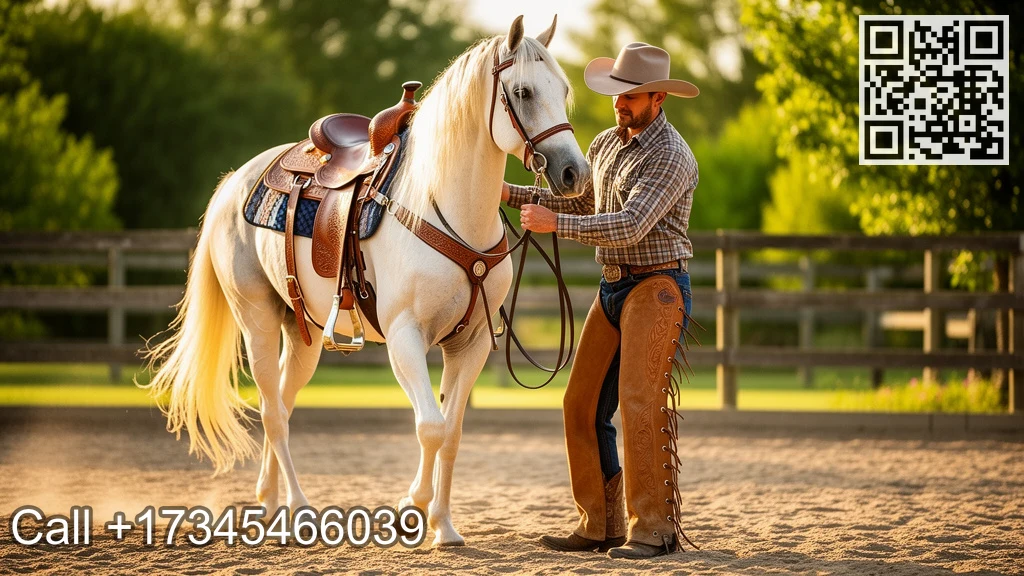
For an autism equine learning program, predictability and sensory selection are vital. One trainee, an 11 year old who enjoyed patterns, prospered when we co-created a brushing regular with aesthetic cards and responsive breaks. Beginning with curry comb on the left shoulder, switch at the withers, then comb the mane. The equine's heat and constant actions supported regulation. We never ever hurried touch. Hands started on a soft brush before moving to route get in touch with when the trainee requested it.
Alternative treatment for sensory obstacles typically means working side by side with physical therapists. The arena provides graded input. The scent of hay, the feel of a lead rope, the shift from soft sand to company floor coverings. If a customer is sensitive to appear, we operate in quieter hours and select steeds with a slower stroll. If equilibrium is an emerging ability, we begin with hand on the steed's neck stationary, after that progress to couple of actions, after that much more. The objective is never ever to press with discomfort. It is to give the nerves adequate information to adapt without overwhelm.
What groups learn from a herd
Corporate offsites can dissatisfy when they rely upon made challenges. An equine does not play along to make you feel effective. That is a benefit. In team building with equines, the steed ends up being a reality bank employee. If two leaders provide blended signals, the equine will certainly divide attention. If a peaceful team member holds the cleanest intention, the horse may pick to follow them and ignore the official lead, which can stimulate helpful conversations about impact versus authority.
One team of 8 came in after a merger. Two supervisors maintained trying to fix miscommunications by talking much faster. We established an easy goal, guide a mare via a U formed path with cones utilizing no spoken commands. The mare quit at the mouth of the U and averted. The quieter operations expert stood ten feet back, breathed out, and lifted her hand slightly. The mare took one step, after that one more, and threaded the path. The lesson landed without any person shedding face. The team began naming nonverbal management as a strength rather than a threat.
Most team sessions run two to four hours. Huge groups rotate with 2 steeds so attention stays fresh. We finish with functional translation. What individual signal do you need to tidy up. Where do you need to reduce your method. What arrangement do you need to explicate. The factor is not to become a steed whisperer. It is to end up being the type of associate others can check out and trust.
Who should not enter the field yet
Horses are generous mirrors, not universal medicine. There are times and conditions where a pause is wise.
- If a person has an unmanaged anxiety of pets, we begin with observation outside the fence and may companion with a specialist first.
- If a customer is in severe dilemma or energetic substance withdrawal, the arena is not the location to support. Licensed care comes first.
- If an individual has severe hatreds hay or equines, we discover accommodations or alternative atmospheres and, when required, a various modality.
- If a person has problem with hostile impulses, we call for a clear plan and extra team for security or accept clinical therapy till stability improves.
- If an equine is off, short-tempered, or aching, we call it a day. Pressing an uncomfortable steed educates the wrong lesson.
Programs that state yes to everything risk the safety and security and dignity of individuals and equines alike. Good borders belong to the learning.
Safety, values, and equine welfare
Horse welfare rests at the facility of good work. The horse is a sentient companion, not a prop. We watch for soft eyes, a swinging tail, and a relaxed lower lip. We limit session counts daily, rotate horses to stop exhaustion, and give them options, like room to tip away in the round pen. If a horse pins ears, swishes the tail hard, or blocks with the shoulder, we listen. That is interaction. Requesting continued https://blogfreely.net/dubnosvsxc/calm-in-the-canter-anxiety-support-with-steeds-for-teenagers-and-grownups interaction without adjustment shows people to ignore clear signals, which is the opposite of the goal.
Human safety and security begins with the fundamentals. Shut toed boots, long trousers, and climate ideal layers. Safety helmets are conventional for installed work and often for ground deal with youth. We keep arenas devoid of mess. Halters and ropes are checked before each session. Moving knots are your pal only if you recognize what you are doing, so we show tie techniques with treatment. Most programs bring liability insurance coverage and full danger acknowledgments that spell out barn rules.
Some individuals show up with a history of injury, also if that is not the focus of training. Ethical trainers find out to identify indications of bewilder and titrate the work. If somebody's stare narrows and their shoulders hike up, we slow down. If they dissociate, we orient carefully and sit outside the sector for some time. There is dignity in quiting. It models better self-care than white knuckling through.
What changes people really report
The results I listen to most often are basic. Better borders at the office. A clearer no that still values partnership. Much less second guessing. Simpler transitions from high equipment to rest. Moms and dads inform me that bedtime softens. Supervisors say meetings relocate much faster with less friction. Teens report feeling much less scrambled. Exist studies. Yes, there are expanding bodies of research study on equine-assisted solutions recommending enhancements in self policy, social communication, and stress decrease, but results differ by populace, program high quality, and just how results are gauged. I anchor my self-confidence in what I can witness. A horse selecting to connect with a calmer individual is not placebo.
When a person discovers to really feel the slope of their own shoulders, or hears their voice land without bracing, or views a horse follow a clear invitation, that is information you can use on Monday early morning. The sector compresses the feedback loop. You change one variable in your position or breath and see a 1,200 extra pound biofeedback companion provide results within seconds.
Mounted job versus foundation, and exactly how to choose
Groundwork is the default for equine-facilitated coaching since it maintains the discovering focused on leadership, communication, and guideline without the added skill needs of riding. Placed job has worth, specifically in restorative horsemanship or for clients working with equilibrium, core strength, and rhythm. The choice depends on goals, comfort, and safety.
If someone is constructing self-confidence around assertiveness, getting on the ground where they can relocate openly often serves better. If a client is working on bilateral sychronisation or stance, mounted exercises at the walk can help. We do not require speed. A silent, regular stride on a well trained horse creates a balanced input that lots of nerves discover organizing. Sessions shift between ground and installed work across weeks when that mix supports the goal, always within scope and with suitable supervision.
Weather, centers, and real life variables
Horses live outside the meeting room schedule. Climate issues. Warmth, chilly, wind, and mud all alter just how steeds and humans feel. I keep three versions of every strategy. Sector in full sunlight. Arena under cover with moisten the roofing system. Barn aisle if lightning is near. Adaptability maintains sessions risk-free and meaningful. If an electrical storm restricts motion, we concentrate on micro abilities like breath pacing and spatial limits, after that save the challenge training course for a clear day.
Facilities run the range. Some programs operate out of refined facilities with interior fields, warmed seeing spaces, and access lifts. Others make good use of a simple paddock and a tack shed. Dimension and beam do not ensure quality. What issues is clear footing, clean water, safe secure fencing, and equines that are well cared for. Ask how many sessions an equine generally works in a day. Ask what a rest day looks like. Ask how they introduce new horses to the work.
A brief checklist for customers preparing for their first session
- Wear shut toed footwear with a level sole and light walk. Running footwear are fine for foundation, paddock boots are better.
- Dress in layers you can relocate, and stay clear of lengthy scarves or loose belts that can snag.
- Eat something light an hour prior to. Low blood sugar makes people wobbly and irritable.
- Bring inquiries, not expectations. The steed will certainly have opinions concerning your plan.
- Share appropriate medical or sensory info ahead of time so we can establish the pace.
An easy ground exercise you can try with a coach
- Stand twelve feet from the steed free with your toes directed towards the shoulder, not the face, and soften your eyes.
- Exhale gradually, after that take one neutral step forward, stopping before you feel a pull in your upper body or a press in your feet.
- Wait. Expect a flick of the ear, a head turn, or an action that shows passion. Do not stare. Maintain your jaw loose.
- If the horse reveals rate of interest, take one more solitary action and time out. If the steed averts or relocates off, step back and reset.
- Notice what adjustments when you straighten your breath with your feet. Let your body level first, after that add intention.
Tiny improvements matter right here. A change of 2 inches, a shoulder rolling back into the outlet, a breath that finishes all the way out. Many equines check out those signals and respond.
Working with children and families
Parents usually ask exactly how to sustain a kid's progress in between sessions. I such as to give simple rituals they can use in the house. One household took on a 3 breath guideline prior to research. Hands on the table, feet on the floor, eyes on a place 3 feet ahead. When possible, we invite caregivers right into the arena so the youngster experiences a shared rhythm. With teenagers, privacy and autonomy build buy in. They design the obstacle path and choose whether to invite a horse to comply with or simply walk along with. Option, within kind framework, is what constructs confidence.
Kids with sensory sensitivities may prefer to begin outside the fencing. We use a stop-watch to establish short monitoring windows, like two minutes of horse viewing, then a break to bounce on a treatment sphere. Affection for steeds builds at its own speed. You do not quicken trust by adding pressure. You speed it by making security real.
How programs manage price and access
Sessions differ commonly by area, centers, and group qualifications. Training sessions with horses typically range from the cost of a standard executive training hour approximately a costs that reflects the expenses of steed care. Group programs can make access easier. Some barns use scholarships funded by regional benefactors. Public firms and nonprofits sometimes cover portions of equine-assisted solutions for specific populations. It deserves asking. The most effective programs are clear regarding cost and organizing. They will additionally inform you if your objectives would be better served by a various provider.
Finding an excellent fit
Credentials are not the entire story, however they matter. Ask about the trainer's training in equine-facilitated mentoring, their approach to ethics and extent, and how they were mentored with steeds instead of simply people. Observe a session ideally. See the horse. Does the pet have a selection to involve. Does the trainer respect no as long as yes. Notice your own body around them. Do you really feel rushed or welcomed. Your nerves has point of views you must trust.
Programs with clear lanes have a tendency to develop strong cooperations. A barn that supplies equine-assisted coaching may partner with a neighboring clinician for therapy recommendations and an occupational therapist for sensory integration work. That type of network assists people find the right support, whether they require a management intensive, anxiousness support with horses, or a bridge back to activity and regulation after a challenging season.
Letting depend on take root
Trust is not a speech. It is a pattern of little, personified choices duplicated until they hold. Equines hold us to that fact. They fulfill us beside our quality, after that invite us one breath even more. With time, the field comes to be a technique ground where sincerity and generosity can exist together, where limits feel like relief rather than a battle, and where a person can learn to claim yes and no with the exact same steady voice.
I have actually watched a careful child get to a peaceful hand to a mare's shoulder, after that laugh when she sighed and leaned a fraction of her weight right into him. I have actually seen execs quit taking care of optics and start handling visibility. I have enjoyed parents exhale as their youngster's jaw unclenched. The modifications are not loud. They come to be practices that appear in entrances and table and budget meetings.
If you are curious, begin tiny. Step to the fencing. Allow your eyes soften. See how a horse scans, rests, and reorganizes. Notice your very own breath comeback. That is the very first string of connection, and it is enough. From there, great mentoring, thoughtful equine-assisted tasks, and alert take care of both individuals and steeds can weave the rest.
Happy Hooves Wellness
9177 Gross Rd, Dexter, MI 48130
+17345466039
https://www.hhooves.com/